
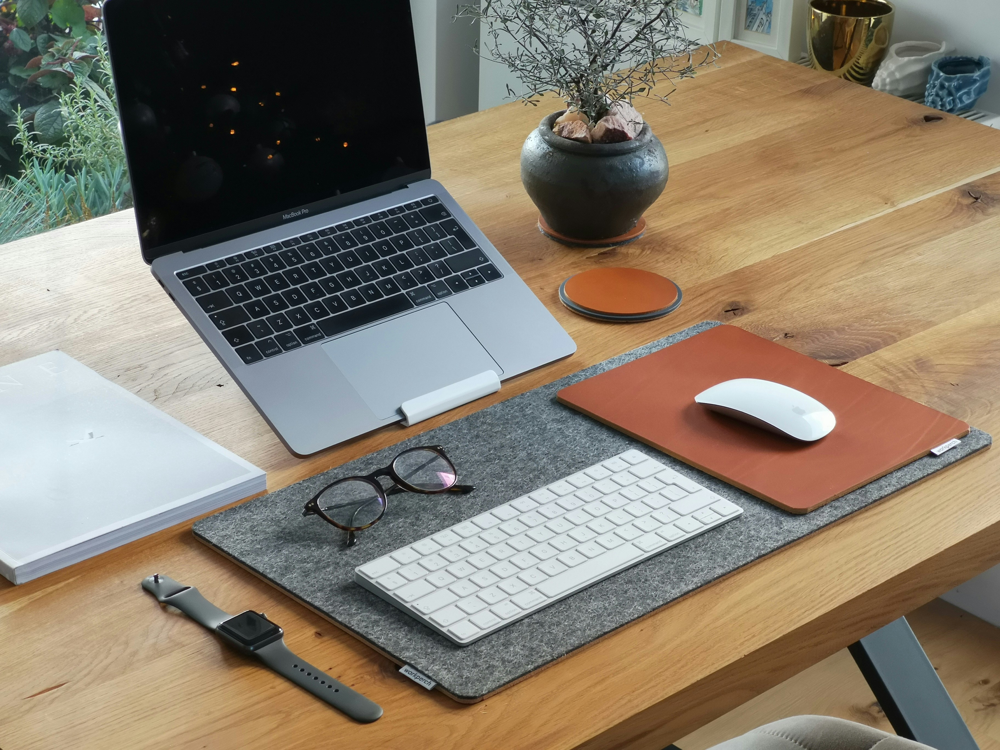
Buying a new laptop is always exciting, and sharing new laptop status helps track performance, setup progress, and overall experience. Whether you’ve just unboxed a device or you’re planning to upgrade soon, understanding how to evaluate, optimize, and maintain your laptop ensures long-term performance and value.
In this comprehensive guide, we’ll walk through setup steps, performance checks, optimization strategies, and practical tips. We’ll also naturally explore related aspects like to ensure you get a complete understanding of what matters most.
Why Tracking My New Laptop Status Matters
Monitoring my new laptop status isn’t just about showing off a new device. It serves several important purposes:
- Ensures the system runs smoothly from day one
- Identifies hardware or software issues early
- Helps optimize performance and battery life
- Improves long-term productivity
- Protects your investment
A new laptop is a significant purchase. Taking time to assess its condition, features, and performance gives you confidence in your decision.
Initial Setup: First Steps After Unboxing
The first 24 hours are critical in determining how successfully you configure your device.
1. Inspect the Hardware
Before powering on:
- Check for physical damage
- Confirm all accessories are included
- Examine ports, keyboard, and screen quality
This helps establish a baseline for your device’s condition.
2. Complete System Updates
Once powered on:
- Install operating system updates
- Update drivers
- Configure security settings
Keeping software updated ensures your my new laptop status reflects optimal performance from the start.
3. Install Essential Applications
Install only necessary applications at first. Avoid cluttering the system. This supports better performance and improves startup speed.
Performance Check: Evaluating My New Laptop Status
After setup, the next step is evaluating performance.
Key Areas to Test
- Boot Time – How quickly does it start?
- Battery Life – Does it match advertised expectations?
- Processor Performance – Can it handle multitasking?
- Storage Speed – SSD vs HDD performance difference
- Cooling Efficiency – Does it overheat?
You can use built-in system tools or trusted benchmarking software recommended by reputable tech publications like PCMag or TechRadar.
When reviewing my new laptop status, pay attention to:
- Fan noise
- App launch speed
- Browser responsiveness
- File transfer speed
These real-world indicators often matter more than benchmark scores.
Optimizing My New Laptop Status for Speed
Even high-end laptops benefit from optimization.
Disable Startup Programs
Too many startup apps slow down performance. Go to system settings and disable unnecessary programs.
Manage Storage Wisely
- Keep at least 20% free disk space
- Remove unused applications
- Use cloud storage when possible
Good storage management directly improves my new laptop status in terms of speed and reliability.
Adjust Power Settings
Switch to balanced or performance mode depending on your needs. This improves battery efficiency and performance output.
Battery Health and Maintenance
Battery performance is a critical part of evaluating my new laptop status.
Best Practices:
- Avoid draining to 0% regularly
- Keep charge between 20%–80% when possible
- Use original charger
- Avoid excessive heat exposure
Modern lithium-ion batteries last longer with smart charging habits.
Security Setup for Long-Term Protection
A secure laptop performs better over time.
Essential Security Steps
- Enable firewall
- Install trusted antivirus software
- Use strong passwords
- Enable biometric login if available
- Encrypt sensitive files
These actions improve reliability and protect personal data.
Customization for Productivity
Personalizing your system improves workflow.
Consider:
- Keyboard shortcuts
- Workspace organization
- External monitor setup
- Cloud sync configuration
If your workflow includes creative tasks, video editing, or programming, optimizing my new laptop status for resource-heavy applications ensures smoother productivity.
Common Issues and Quick Fixes
Even new laptops can face minor issues.
Slow Performance
- Check background apps
- Scan for malware
- Update drivers
Overheating
- Clean vents
- Use cooling pad
- Avoid soft surfaces
Battery Draining Quickly
- Reduce screen brightness
- Disable Bluetooth when unused
- Close unnecessary browser tabs
Regular monitoring keeps my new laptop status stable and efficient.
Long-Term Maintenance Tips
To maintain strong performance:
- Schedule monthly updates
- Back up files weekly
- Clean keyboard and screen regularly
- Monitor system health reports
Proper maintenance supports better efficiency and extends device lifespan.
How to Share My New Laptop Status Online
Many users like sharing updates on social media or blogs. If you plan to post:
- Share specs (RAM, storage, processor)
- Highlight performance improvements
- Provide honest review after 30 days
- Compare with previous device
This builds trust and helps others make informed decisions.
Frequently Asked Questions (FAQs)
1. What does my new laptop status typically include?
My new laptop status generally includes details about system performance, battery life, hardware specifications, installed updates, and overall user experience. It can also highlight setup progress, customization choices, and any early issues discovered after purchase. Tracking these elements helps ensure your device operates efficiently.
2. How often should I check my new laptop status?
You should review my new laptop status at least once a week during the first month of use. After that, a monthly performance and security check is usually sufficient. Regular monitoring helps detect software issues, storage problems, or battery health concerns before they become serious.
3. Why is my new laptop status showing slow performance?
If my new laptop status reflects slow performance, it could be due to background applications, pending updates, insufficient storage space, or unnecessary startup programs. Performing system updates, disabling startup apps, and freeing storage typically resolves most early performance issues.
4. Can I improve my new laptop status without upgrading hardware?
Yes, you can improve my new laptop status through software optimization. Updating drivers, adjusting power settings, managing startup programs, and removing unnecessary files can significantly boost performance. Hardware upgrades like adding RAM help, but many improvements come from proper system management.
5. How do I maintain a healthy my new laptop status long term?
Maintaining a healthy my new laptop status involves regular updates, proper battery care, secure browsing habits, and consistent file backups. Avoid overheating, keep storage optimized, and install only trusted software. These steps ensure long-term reliability and consistent performance.
Conclusion
Monitoring and optimizing is essential for ensuring strong performance, security, and longevity. From initial setup and performance testing to long-term maintenance and optimization, every step plays a crucial role in protecting your investment.
By following structured setup practices, maintaining battery health, improving security, and regularly reviewing system performance, you can ensure your laptop runs smoothly for years. Whether you're a student, professional, or casual user, staying proactive with your my new laptop status guarantees a better computing experience and maximum productivity.
If you found this guide helpful, consider exploring related topics like device optimization, performance tuning, and digital workspace management to continue improving your technology experience.